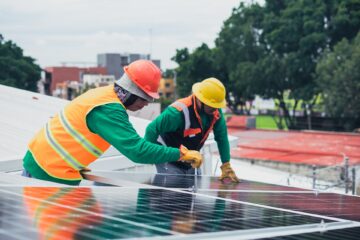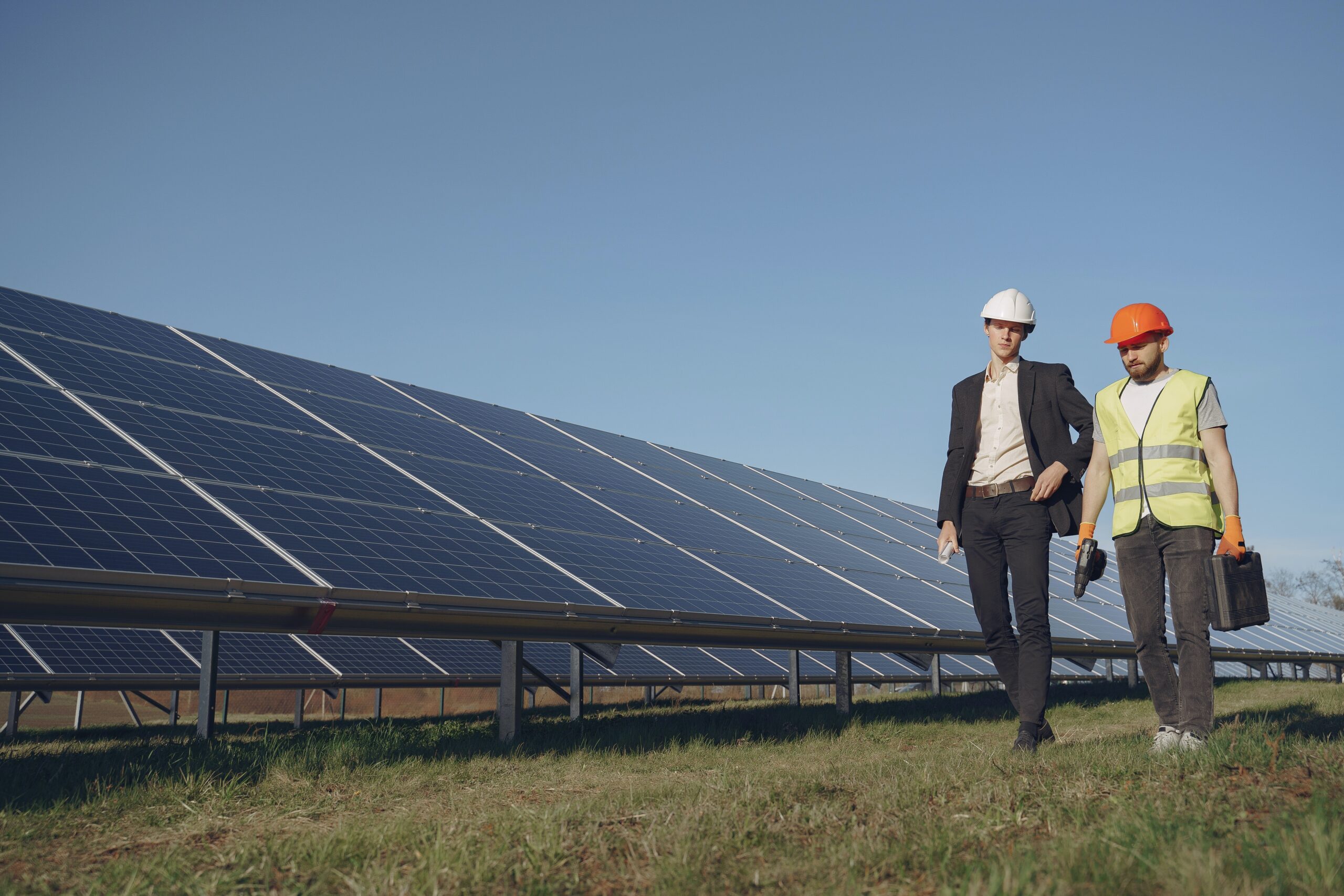
Nigeria is a tropical country in West Africa with abundant sunshine. As a result, solar energy has the potential to be a major source of renewable energy for the country. However, the solar energy sector in Nigeria is still in its early stages of development.
In recent years, the Nigerian government has taken steps to promote the development of solar energy. In 2019, the government launched the Solar Nigeria Programme, which aims to install 10,000 solar mini-grids across the country. The government has also introduced a number of financial incentives for solar energy projects, such as tax breaks and capital subsidies.
Despite these efforts, there are a number of challenges that need to be addressed before solar energy can become a major source of energy in Nigeria. One challenge is the high cost of solar panels. Another challenge is the lack of access to the electricity grid in many rural areas.
Despite these challenges, the solar energy sector in Nigeria is growing rapidly. In 2021, Nigeria’s installed solar capacity was 12MW. This is expected to grow to over 100MW by 2025.
Benefits of solar energy in Nigeria
There are a number of benefits to using solar energy in Nigeria. These include:
- Reduced reliance on fossil fuels: Nigeria is currently heavily reliant on fossil fuels, such as oil and gas, to generate electricity. This makes the country vulnerable to fluctuations in global energy prices. Solar energy can help to reduce Nigeria’s reliance on fossil fuels and improve its energy security.
- Reduced greenhouse gas emissions: Solar energy is a clean source of energy that does not produce greenhouse gases. This can help to reduce Nigeria’s carbon footprint and contribute to the fight against climate change.
- Job creation: The solar energy sector is a growing sector in Nigeria, and it has the potential to create a significant number of jobs.
- Rural electrification: Solar energy can be used to provide electricity to rural areas that are not connected to the national grid. This can help to improve the lives of people in rural areas and boost economic development.
Challenges of solar energy in Nigeria
There are a number of challenges that need to be addressed before solar energy can become a major source of energy in Nigeria. These include:
- High cost of solar panels: The cost of solar panels has fallen significantly in recent years, but they are still relatively expensive. This can make it difficult for people to afford to install solar systems on their homes or businesses.
- Lack of access to the electricity grid: Many rural areas in Nigeria are not connected to the national grid. This makes it difficult to install solar systems in these areas.
- Lack of awareness: Many people in Nigeria are not aware of the benefits of solar energy. This can be a barrier to the adoption of solar energy.
Government initiatives to promote solar energy
The Nigerian government has taken a number of steps to promote the development of solar energy. These include:
- Solar Nigeria Programme: The Solar Nigeria Programme was launched in 2019 and aims to install 10,000 solar mini-grids across the country.
- Financial incentives: The government has introduced a number of financial incentives for solar energy projects, such as tax breaks and capital subsidies.
- Net metering: Net metering is a system that allows solar energy users to sell excess electricity back to the grid. The government has introduced net metering in a number of states.
Conclusion
Solar energy has the potential to be a major source of renewable energy for Nigeria. However, there are a number of challenges that need to be addressed before this can happen. The Nigerian government is taking steps to promote the development of solar energy, but more needs to be done. With the right policies and incentives, solar energy can play a major role in helping Nigeria to achieve its energy goals and reduce its carbon footprint.